The history of ancient Israel was not always centered around Jerusalem. Before the First Temple was built, worship happened in many places across the land. A fascinating discovery from this period is the temple at Tel Arad. This archaeological site offers a unique glimpse into how the Israelites worshipped in biblical times.
The site highlights a key moment in Jewish history. It shows the shift to centralized worship in Jerusalem. This change led to the gradual banning of local temples and high places.
Discover a Meaningful Journey with Kosher River Cruises
Enhance your bond with Jewish heritage aboard Kosher River Cruises. Enjoy comfort and elegance on the water. Discover amazing places, enjoy delicious kosher meals, and join daily services. Travel in style along some of the world’s stunning waterways. Our glatt kosher tours provide a unique travel experience. They aim to inspire, enrich, and create lasting memories.
Why Was Worship Originally Conducted in Multiple Locations?
In the Torah, worship started with the Mishkan, or Tabernacle. This portable sanctuary was used by the Israelites on their journey through the wilderness. The Mishkan was built to move with the people, unlike the permanent Temple in Jerusalem.
Biblical history says King David brought the Mishkan to Jerusalem. His son, King Solomon, then built the First Temple as a permanent place of worship. This Temple was meant to replace the many local shrines and worship sites across Israel.
Archaeological evidence shows that local worship practices kept going even after the Jerusalem Temple was built.
What Was the Temple at Tel Arad?
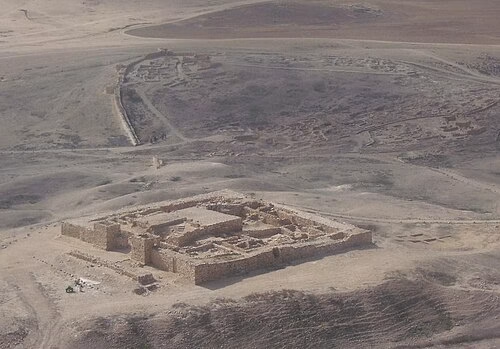
The temple at Tel Arad is a key archaeological find for ancient Israelite religion. It sits in the Negev Desert. This is the only temple structure from the Kingdom of Judah found in Israel.
The site dates from about the 10th to the 7th century BCE. During this time, debates about centralized worship grew more important. Some Israelites still worshiped at local shrines called bamot, or “high places.” This happened even though there were efforts to concentrate religious activities in Jerusalem.
The temple was built within a strong fortress. It closely resembles the biblical Mishkan from the Torah.
How Did the Temple Reflect the Design of the Mishkan?
Archaeologists discovered that the temple’s layout closely followed the design of the Tabernacle. The structure included:
- An entrance area
- An outer courtyard
- A sacrificial altar
- An inner sanctuary
Even the altar dimensions appear to match the measurements described in the Torah. This link shows that the builders designed the temple based on sacred traditions known to the Israelites.
The discovery offers key insights into how biblical worship practices might have changed outside Jerusalem.
Why Did the Temple Become Controversial?
One fascinating find at Tel Arad was two standing stones in the sanctuary area. Some archaeologists think these stones might symbolize two divine figures or sacred objects.
This finding is significant because Judaism increasingly emphasized strict monotheism during this period. Kings like David and Solomon, along with later rulers, might have removed local shrines. They did this because of the many sacred symbols.
Local temples also challenged the political and religious power based in Jerusalem. Consolidating worship in one place can boost national unity and support religious reforms.
What Happened to the Temple at Tel Arad?
The evidence shows that the temple was intentionally closed and buried under layers of earth in the late 7th century BCE. Archaeologists think this might have happened during King Josiah’s religious reforms. These reforms are detailed in the Book of Kings.
Josiah started a big campaign. He aimed to remove unauthorized worship sites and centralize religious practices in Jerusalem. The temple’s burial might have aimed to change Israelite worship. This was likely in line with new religious standards.
Instead of being destroyed, the careful burial shows that the site was respected, even when it was no longer used.
Why Is Tel Arad Important to Jewish History?
The temple at Tel Arad offers a rare and tangible connection to a transitional era in Jewish history. It shows that religious life in ancient Israel was more complex than just moving from paganism to monotheism.
The site shows how worship practices changed over time. Local traditions remained strong. Political leaders sought a common religious identity centered on Jerusalem.
Today, Tel Arad is a key archaeological site. It offers a glimpse into the biblical world and the growth of Jewish worship traditions.
Continue Exploring Jewish Heritage Through Meaningful Travel
Learning about Jewish history builds a greater appreciation for the traditions, resilience, and stories that shape Jewish life today. Travelers looking for a deeper experience can enjoy a glatt kosher tour or a kosher river cruise. These options connect history, culture, and community. Plus, they provide fully kosher travel accommodations.

He is a scholar known for his sophisticated yet accessible lectures on Jewish history, watched by thousands of viewers daily on YouTube. The author of seven books on Jewish history and thought, he earned his PhD from the University of Toronto and held visiting and post-doctoral positions at Harvard, Cornell, Oxford and the Hebrew University of Jerusalem.