*Tu B’Av, the 15th day of the Hebrew month of Av, is a lesser-known but significant Rabbinic holiday. Although it isn’t in the Torah, its significance comes from the Mishnah and Talmud. They celebrate it as one of the happiest days in the Jewish calendar. It is similar in spiritual beauty to Yom Kippur.
The name “Tu” comes from a halachic rule. Instead of spelling 15 as Yud (10) + Hei (5), which is one of God’s sacred names, we use Tet (9) and Vav (6) instead. This respectful workaround shows the Jewish tradition of honoring the Divine Name, even in numbers.
Discover Jewish Heritage in Comfort and Style with Kosher River Cruises
Embark on a meaningful journey through time and tradition with Kosher River Cruises. Our all-inclusive riverboat trips blend kosher touring with rich Jewish history. Enjoy luxurious rooms and gourmet kosher meals. Explore your Jewish heritage or enjoy a special kosher holiday like Tu B’Av. Each place gives you new insights and inspiration. You can relax in comfort and style on board.
The 15th of Av in the Mishnah: A Day Like No Other
The Mishnah (Ta’anit 4) preserves the words of Rabban Shimon ben Gamliel, who declares:
“There were no days as good for Israel as the 15th of Av and Yom Kippur.”
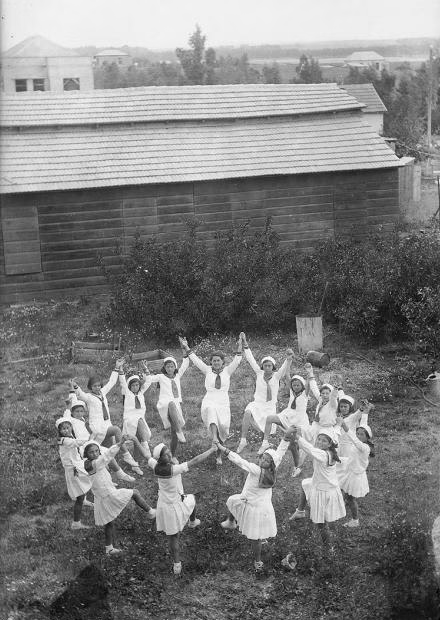
Yom Kippur is linked to fasting and atonement. In contrast, Tu B’Av is a time for celebrating renewal, unity, and love. It is best known for a romantic tradition. The daughters of Jerusalem wore borrowed white clothes and danced in the vineyards. They invited young men to look for a wife. The focus was not on beauty, but on noble lineage and piety.
This tradition promoted dignity and equality. All women wore borrowed white clothing, so no one felt embarrassed about money. The garments were ritually cleansed, reflecting purity and renewal. It was a moment when social classes faded away, even if just for a bit. It showed hope and togetherness.
Dancing in the Vineyards: A Symbolic Courtship
The vineyard dances were not just a romantic event. They also represented the lasting bond of Jewish family and heritage. As the women circled the fields, they called out:
“Young man, lift your eyes and see whom you will choose.”
But appearance was not the focus. The emphasis was on yichus—lineage and character. The well-known saying from Proverbs 31 reminds us, “Charm is deceptive and beauty is vain, but a woman who fears the Lord is to be praised.”
This touching message highlights spiritual values over superficial ones. It encourages a strong foundation for Jewish homes and communities.
Six Historical Events That Made Tu B’Av a Day of Celebration
The Talmud lists six key events that add to the joy of Tu B’Av. Each event is important for Jewish survival and unity.
- Inter-Tribal Marriage Permitted Again – After Tzelafchad’s daughters asked for their inheritance, limits were set to protect tribal identity. On Tu B’Av, those restrictions were lifted, allowing greater unity among the tribes of Israel.
- The End of the Desert Generation’s Deaths – During Israel’s 40-year journey in the wilderness, a decree doomed the generation that left Egypt. On Tu B’Av, the final deaths ceased. It marked a new chapter as the younger generation prepared to enter the Promised Land.
- Reintegration of the Tribe of Benjamin – After the dark events described in Judges 21, the tribe of Benjamin was shunned. On Tu B’Av, the ban was lifted, allowing them to once again participate in the life of the nation.
- The Removal of Northern Kingdom Roadblocks – King Hoshea ben Elah removed the barriers erected by earlier kings. These prevented the Israelites from the Northern Kingdom from making pilgrimages to Jerusalem. Tu B’Av marked the restoration of religious unity across a divided land.
- Proper Burial of Bar Kochba’s Fighters – After the Bar Kochba revolt ended in tragedy, Roman authorities would not allow Jewish fighters to be buried at Betar. On Tu B’Av, this denial ended, and the fallen were given the dignity of burial. This act is also commemorated in the blessing Hatov veHaMetiv in Birkat HaMazon (Grace After Meals).
- The Final Day of Wood-Cutting for the Temple – In the time of the Temple, Tu B’Av was the last day when wood was harvested for the altar’s fire. After this date, the days shortened, and wood no longer dried sufficiently for ritual use. This event marked the seasonal shift and the completion of a holy task.
From Mourning to Joy
Tu B’Av arrives just six days after Tisha B’Av, the national day of mourning for the destruction of the Temples. The contrast is striking: from ashes to dancing, from exile to unity, Tu B’Av is a bridge between sorrow and renewal.
Today, we honor resilience and the ties that connect Jewish people. These bonds come from family, love, and shared memories.
Conclusion: A Timeless Celebration of Jewish Continuity
Tu B’Av may not have the flair of other kosher holidays, but it stands as a quiet triumph. It reminds us of togetherness, healing, and hope. This day celebrates romantic love, national renewal, and spiritual strength. It connects old vineyards with new ideas.
In each borrowed dress, every circle dance, and every lifted barrier, Tu B’Av shares a timeless truth. There’s always space for renewal in the Jewish story.
Discover Jewish History Through Kosher Touring with Kosher Riverboat Cruises
Exploring Jewish history goes beyond the past. It connects us to roots that shape our present. With the Kosher River Cruise, you can enjoy a special journey. Our kosher touring experience highlights our shared heritage in a fun and engaging way. Looking for a spiritually enriching kosher holiday? Or maybe a cultural adventure with fellow travelers? Our cruises mix discovery, tradition, and luxury perfectly. Let the story of our people unfold as you travel in comfort and community.

He is a scholar known for his sophisticated yet accessible lectures on Jewish history, watched by thousands of viewers daily on YouTube. The author of seven books on Jewish history and thought, he earned his PhD from the University of Toronto and held visiting and post-doctoral positions at Harvard, Cornell, Oxford and the Hebrew University of Jerusalem.