Eurafrican Jews in the Caribbean have a story linked to migration, trade, and social dynamics. This history shows how Jewish communities adjusted to new places. They also navigated the larger economic and social systems of the colonial era.
Embark on a Jewish Heritage Adventure on Your Next Kosher Holiday
Discover history, tradition, and culture with our glatt kosher tour. Kosher riverboat cruises offer the perfect blend of relaxation, luxury, and immersive experiences. Enjoy fine kosher meals, daily services, and world-class amenities while traveling to remarkable destinations and kosher resorts that celebrate Jewish heritage.
Why Did Jews Migrate to the Caribbean?
Many Jews migrated to the Caribbean seeking freedom to practice their religion. During the Inquisition, crypto-Jews often fled from Portugal and Spain. Some first settled in places like Brazil. They practiced Judaism secretly. Then, they moved to Caribbean islands, where they could openly follow their faith.
Migration was not only driven by religion but also by economic opportunity. The Caribbean was key in transatlantic trade. Jews adapted to its economy and built communities in new areas.
How Did the Transatlantic Trade Influence Jewish Migration?
The Caribbean was important because of the triangular trade. This trade linked Europe, Africa, and the Americas. European colonial powers sent manufactured goods to Africa. They traded these goods for enslaved Africans. Then, they transported these enslaved people across the Atlantic. They worked on plantations in the Caribbean, South America, and parts of North America.
Raw materials from the Americas were shipped to Europe. This included sugar from the Caribbean, along with tobacco, cotton, and furs. There, they were turned into manufactured goods. This cycle has gone on for centuries. It created great wealth, but it also caused terrible suffering for enslaved Africans.
Jews took part in this economic system, but their roles differed in size and scope.
What Was the Jewish Role in Caribbean Trade?
Jews mostly participated in the Kleinvart, or “small trade.” This helped the broader economy, but it didn’t spark large-scale triangular trade (Grotevart). They ran businesses that offered key services: supplying ships, fixing sails and ropes, making tar, and providing food.
While some Jews owned plantations and enslaved people, these cases were exceptions. Most Jewish communities focused on peripheral trades that sustained the larger economic infrastructure. Notable figures like Hieronimo Nunez da Costa (Moses Curiel) were involved in the slave trade. However, they were exceptions, not the norm.
What Were Jewish Plantations Like?
In the 1600s, a Jewish settlement called Joden Savanna (Jewish Savannah) appeared in Suriname. By 1700, about 500 plantations were owned by Jews. They employed around 9,000 enslaved Africans. These plantations faced numerous challenges, including slave revolts and external attacks.
The Caribbean cane sugar industry declined in the 1760s. This decline happened because beet sugar was developed in Europe. It had a big impact on the plantations. This change pushed Jews in the Caribbean to seek new ways to make a living. It shows the variety of the Jewish economy in the area.
How Did Jewish Families Integrate with Enslaved Populations?
Interactions between Jewish plantation owners and enslaved Africans were complex. Some Jewish men fathered children with enslaved women or concubines. Many of these children, called reputed children, were noted in wills. They often received money or property. Emmanuel Baruch Lousada from Jamaica highlights the emotional and social bonds in these relationships.
Jewish migration often involved families. This led to a better gender balance in Jewish communities than in the wider colonial population. The Dothar Society in Amsterdam even paid for marriages of poor Jewish brides. This helped keep families together.
How Were African Descendants Integrated into Jewish Communities?
Conversion to Judaism was common for the offspring of these unions. Slave manumission records, burial registers, and synagogue records reveal how new members entered Jewish society. In Suriname, partially African Jews, called congregantes, were accepted into the community. However, social hierarchies often remained based on ancestry.
This gap between congregantes (partial African Jews) and Yidim (full European Jews) shows societal biases, not Jewish law. Jewish law does not define status by race. Social stratification often manifested in separate burial sections and synagogue seating arrangements.
What Does This History Reveal?
The history of Eurafrican Jews in the Caribbean shows the complexity of Jewish life during colonial times. Jews took part in colonial economies in various ways. They were merchants, plantation owners, and community builders. They also dealt with racial hierarchies, family structures, and economic pressures in the larger colonial systems.
This history challenges simple stories about Jewish roles in the Atlantic slave trade. It also highlights the varied experiences of Jews in the diaspora. It shows how Jewish law and social practice sometimes differed because of colonial norms.
Travel the Rivers of Jewish History with Kosher Riverboat Cruises
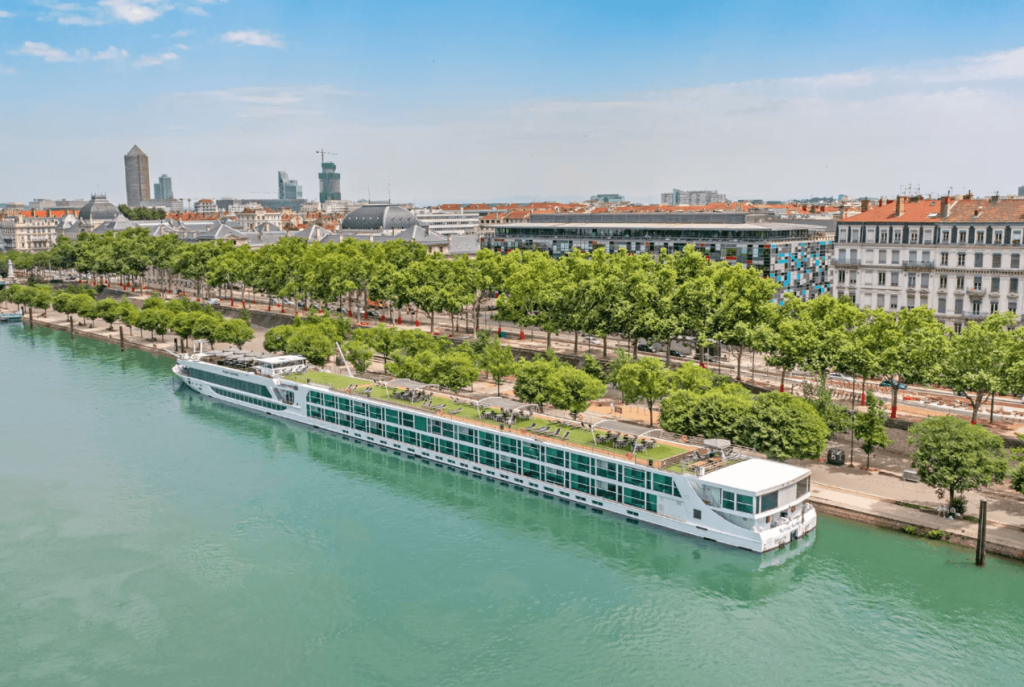
Jewish history comes alive when you explore it firsthand. A kosher holiday trip aboard our kosher riverboat cruises provides the perfect blend of education, cultural connection, and luxurious kosher hospitality. Embark on this journey and let kosher destinations or kosher resorts deepen your understanding and appreciation of our rich heritage.

He is a scholar known for his sophisticated yet accessible lectures on Jewish history, watched by thousands of viewers daily on YouTube. The author of seven books on Jewish history and thought, he earned his PhD from the University of Toronto and held visiting and post-doctoral positions at Harvard, Cornell, Oxford and the Hebrew University of Jerusalem.